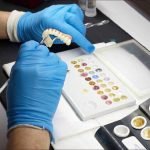

Dr. Bhawna Gupta, a top Invisalign Sapphire Provider, is a dedicated and compassionate dentist committed to delivering high-quality, patient-focused care at San Jose Dental Care. With a strong emphasis on comfort and advanced dental solutions, she provides a full range of services, including preventive, cosmetic, and restorative treatments. Dr. Gupta is known for her gentle approach, attention to detail, and ability to create personalized treatment plans for every patient. She stays up to date with modern dental technology to ensure effective, efficient care. Her goal is to help patients achieve healthy, confident smiles in a welcoming and stress-free environment
Introduction
A missing tooth is not just about appearance. It quietly affects how you eat, how you speak, and even how your other teeth behave over time. Many people delay treatment because they think it is not urgent, but the truth is, even a single missing tooth can lead to shifting teeth, bite issues, and gradual bone loss.
At San Jose Dental Care, the focus is not just on filling the gap but restoring long-term function and stability. With modern dentistry, there are multiple options for replacing missing teeth, each designed to fit different needs, lifestyles, and budgets.
This guide walks you through those options in a clear, practical way so you can understand what truly lasts and what works best for you.
The Real Impact of Missing Teeth
Before choosing a solution, it helps to understand what happens when a tooth is lost.
Teeth rely on each other for support. When one is missing, the surrounding teeth begin to shift into the empty space. This can lead to uneven chewing pressure, jaw discomfort, and difficulty maintaining oral hygiene. Over time, the jawbone in that area can start to shrink because it is no longer being stimulated.
This is why early action matters. Choosing the right long-term tooth replacement solutions can prevent these complications and restore balance to your smile.
A Fresh Look at Your Replacement Options
Instead of thinking in categories, imagine this as a journey toward rebuilding what was lost. Each option serves a different purpose, and the right choice depends on your goals, health, and expectations.
Dental Implants: Built to Last
When it comes to durability and stability, dental implants for missing teeth are often considered one of the most reliable solutions.
A dental implant works like an artificial tooth root. It is placed into the jawbone, where it gradually fuses with the bone. Once healed, a custom crown is placed on top, creating a replacement that looks and functions like a natural tooth.
What makes implants stand out is their ability to preserve bone structure. Because they integrate with the jaw, they help maintain facial shape and prevent the sinking appearance that can happen over time.
Patients often choose implants because they feel natural. You can eat comfortably, speak clearly, and maintain your routine without worrying about movement or slipping.
With Dr. Bhawna’s implant solutions, each case is carefully planned to ensure the implant fits perfectly with your bite and surrounding teeth.
Dental Bridges: Filling the Gap Seamlessly
For patients seeking a quicker solution, dental bridges offer a practical option.
A bridge works by anchoring an artificial tooth between two natural teeth. These supporting teeth are prepared to hold the bridge securely in place.
Bridges effectively restore function and appearance, especially when the surrounding teeth are healthy and strong. They can improve chewing ability and prevent nearby teeth from shifting.
However, unlike implants, bridges do not stimulate the jawbone. Over time, this may lead to gradual bone changes in the area where the tooth is missing.
Still, for many patients, bridges remain a reliable part of the options for replacing missing teeth, especially when implants are not suitable.
Dentures: A Time-Tested Solution
Dentures have been used for decades and continue to evolve with modern materials and design.
They are removable appliances designed to replace multiple missing teeth. Full dentures are used when all teeth are missing, while partial dentures fill gaps between existing teeth.
Today’s dentures are more comfortable and natural-looking than ever before. They can restore your ability to eat and speak while improving facial support.
For patients seeking affordability and flexibility, dentures are often considered among long-term tooth replacement options, though they may require adjustments over time.
Implant-Supported Dentures: Stability Meets Convenience
For those who want more stability than traditional dentures, implant-supported dentures offer a balanced solution.
These dentures are anchored using dental implants, which keep them secure while still allowing for easy removal if needed.
This option combines the strength of implants with the coverage of dentures. It reduces movement, improves comfort, and enhances confidence while eating and speaking.
Many patients appreciate this hybrid approach as it brings together the best of both worlds.
How to Choose the Right Option
Choosing the right solution is not about picking the most advanced option. It is about finding what works best for your situation.
This is where Dr. Bhawna’s tooth replacement planning becomes important. Every patient is different. Factors such as bone health, the number of missing teeth, lifestyle, and budget all play a role in the decision.
During your consultation, a detailed evaluation helps determine which option will provide the best long-term outcome. The goal is not just to replace teeth but to restore comfort, function, and confidence.
What Makes a Solution “Long-Term”?
Not all replacements are built the same. Some are designed for convenience, while others focus on durability and preservation.
Long-term tooth replacement solutions usually share a few key qualities:
- They maintain jawbone health
- They provide stability while eating and speaking
- They integrate well with natural teeth
- They require minimal adjustments over time
Dental implants often meet all these criteria, but other options can also be effective when chosen carefully.
Living With Your New Smile
Replacing missing teeth is not just a clinical procedure. It changes how you feel every day.
Patients often notice improvements in their confidence, eating habits, and overall comfort. Simple things like smiling in photos or enjoying a meal without hesitation become easier again.
With proper care and regular dental visits, your chosen solution can last for many years. Maintaining oral hygiene, following your dentist’s advice, and staying consistent with check-ups all contribute to long-term success.
The Role of Technology in Modern Tooth Replacement
Modern dentistry has made the process more precise and predictable.
Digital scans, advanced planning tools, and improved materials allow dentists to design replacements that fit naturally and function smoothly.
With Dr. Bhawna’s implant solutions, technology ensures accuracy at every step, from planning to placement. This leads to better outcomes and a more comfortable experience for patients.
Common Concerns Patients Have
It is normal to have questions before choosing a treatment.
Some patients worry about the time involved, while others think about cost or comfort. The key is to have an open discussion with your dentist and understand what to expect.
Many treatments today are designed to be as smooth and manageable as possible. With proper planning, even complex cases can be handled effectively.
Key Takeaways
- Missing teeth can affect more than just appearance. They impact function and long-term oral health.
- There are multiple options for replacing missing teeth, including implants, bridges, and dentures.
- Dental implants for missing teeth offer strong support and help preserve jawbone health.
- Personalized care from Dr. Bhawna’s tooth-replacement planning ensures the best results.
- Choosing the right long-term tooth replacement solutions depends on individual needs and goals.
FAQs
1. What is the most durable option for replacing missing teeth?
Dental implants are often considered the most durable because they integrate with the jawbone and provide long-term stability.
2. Are dental implants suitable for everyone?
Not always. Bone health and overall oral condition play a role. A consultation helps determine if implants are the right choice.
3. How long do dental bridges last?
With proper care, bridges can last several years, though they may need replacement over time.
4. Are dentures comfortable to wear?
Modern dentures are designed for greater comfort, but they may take time to adjust to. Implant-supported dentures offer added stability.
5. How do I decide which option is best for me?
A personalized evaluation by Dr. Bhawna for tooth replacement planning helps identify the most suitable solution for your needs.
Conclusion
Missing teeth may seem like a small issue at first, but they can have a lasting impact on your oral health and daily life. The good news is that modern dentistry offers reliable solutions that restore both function and confidence.
From implants to bridges and dentures, each option has its own strengths. The key is understanding what works best for your situation and choosing a path that supports long-term comfort and stability.
With the right guidance and care, rebuilding your smile is not just possible; it can feel natural again.
For directions, use this helpful Google Map or get step-by-step navigation through Get Directions.
Remember: Taking action early can prevent bigger problems later. A well-planned solution today can protect your smile for years to come.
Disclaimer: This content is for informational purposes only and does not replace professional dental advice. Please consult your dentist for personalized recommendations based on your oral health.